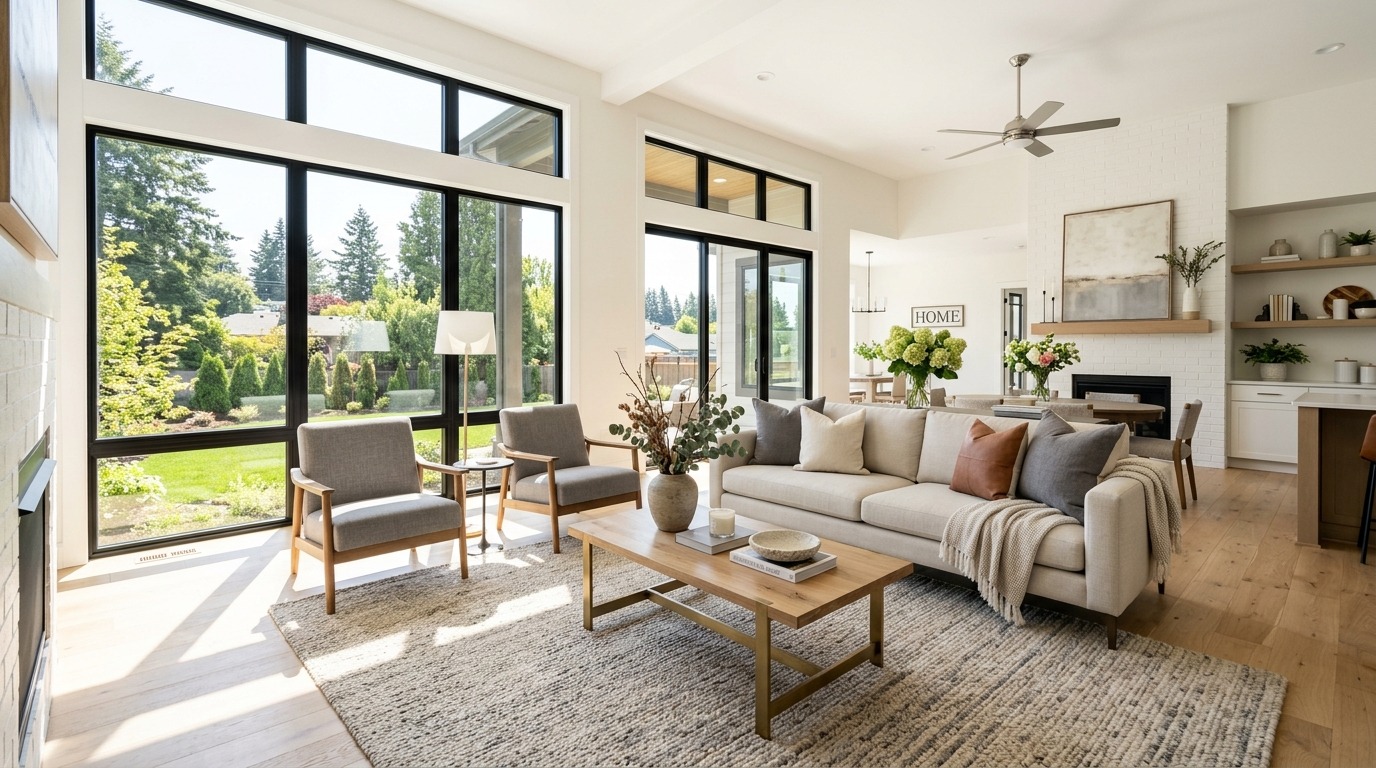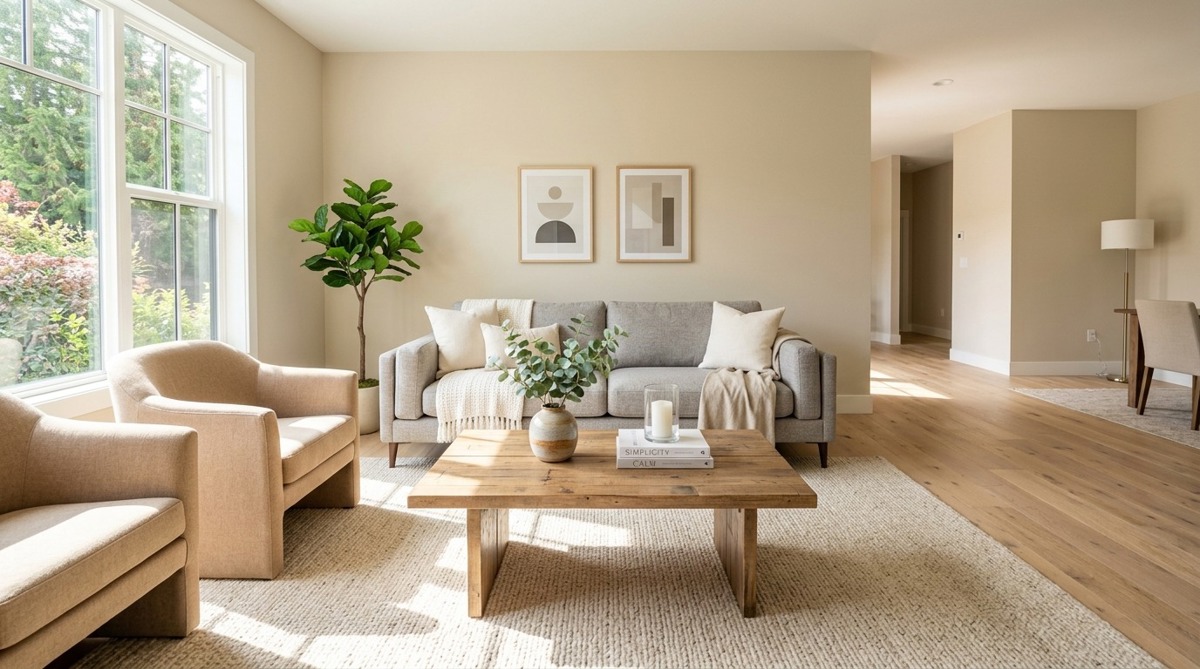
According to data from early 2026 by Teresa Overcash, Broker/Owner of Realty ONE Group Results, 85% of staged homes sold for between 5% and 23% over their original listing price. That statistic explains why staging has become standard practice, but it raises an obvious question: how do you get that return without spending thousands on furniture and decor you'll only use for a few months?
Home staging tips are the practical strategies sellers use to prepare a property for sale while keeping costs under control: decluttering, smart furniture choices, and knowing when to rent instead of buy. The highest-impact moves rarely require a big budget. Below are seven home staging tips for selling that protect your bottom line while creating the polished look buyers expect.
7 Home Staging Tips That Will Help You Save Money

1. Declutter Before You Spend a Dollar on Anything Else
Decluttering is the single highest-leverage move in any staging plan, and it costs almost nothing. Removing 30% to 40% of personal belongings lets buyers see the actual square footage instead of someone else's belongings filling it. Pack family photos and personal items into bins and store them off-site.
Buyers need to mentally move into a home, not visit yours. A cluttered shelf or overcrowded closet signals lived-in chaos rather than move-in-ready space. Decluttering is one of the few home staging tips that costs nothing, since it's entirely about removing rather than adding.
2. Rent Furniture Instead of Buying It
If a property is vacant, furniture becomes the biggest staging expense, and buying new pieces is rarely worth it. Purchasing furniture for one listing can run $10,000 or more, while a full rental setup costs a fraction of that per month. This is consistently rated among the best home staging tips for sellers working with empty properties.
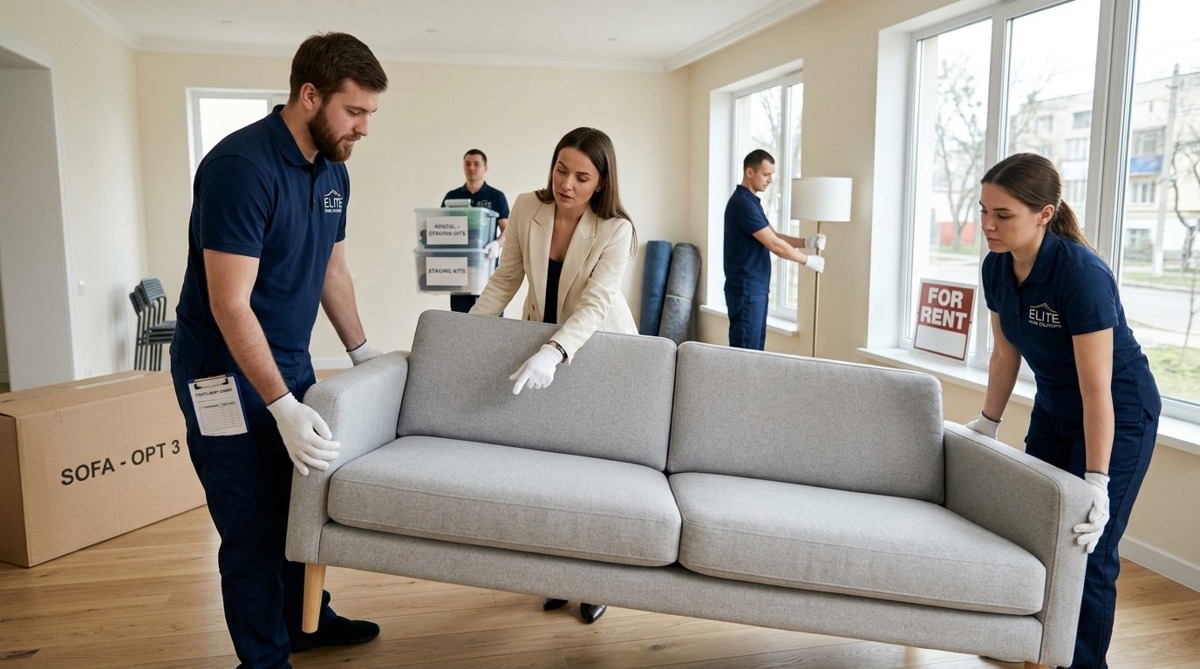
Renting also solves a problem buying can't: style risk. Furniture that fits one home's layout may not fit the next, leaving you stuck with pieces that don't match the space. With rental furniture, you pay only for what you need, for as long as you need it, then send it back once the home sells.
| Approach | Typical Cost | Risk |
| Buying new furniture | $10,000+ upfront | May not resell or fit future spaces |
| Renting furniture | A few hundred dollars per room, monthly | Minimal, since unused inventory gets returned |
| Using your own furniture | $0, but often mismatched | Can look dated or overly personal |
3. Stick to Three Key Rooms If Budget Is Tight
Not every room needs equal attention, and stretching a budget across an entire house often dilutes the impact. Staging the living room, primary bedroom, and kitchen delivers the strongest return, since these are the spaces buyers weigh most heavily during a showing. Living rooms were rated most important by 37% of buyers, followed by primary bedrooms at 34%.
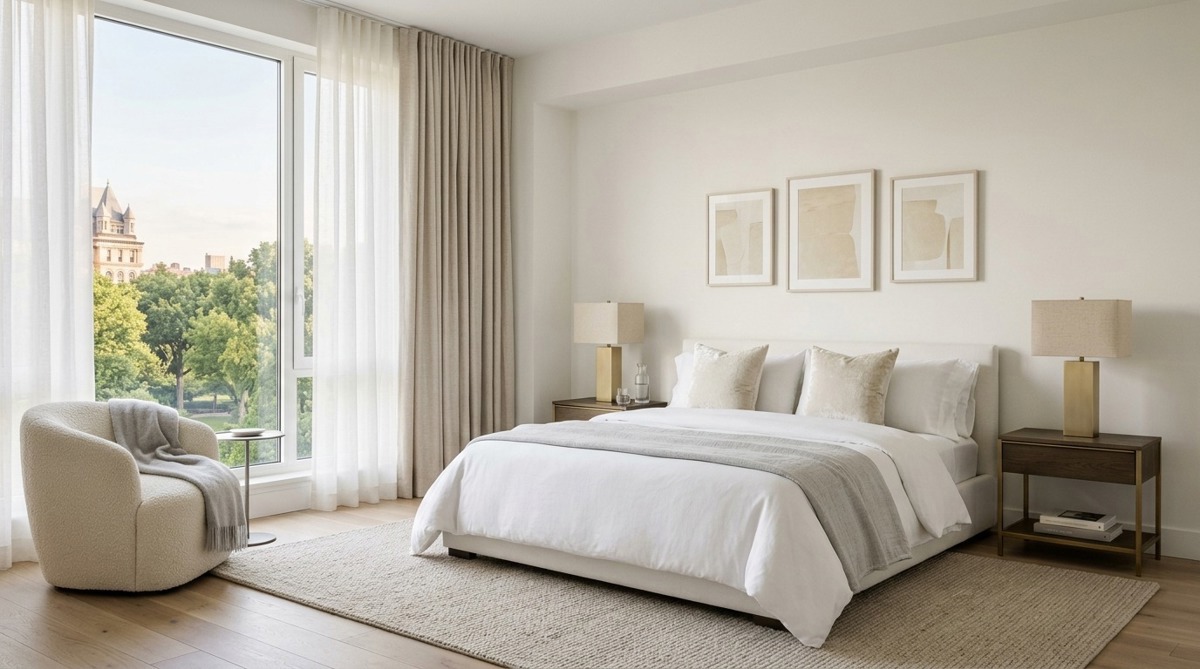
Focusing rental furniture on just these three areas, rather than spreading a budget thin across every room, is one of the best home staging tips for sellers trying to control costs. A guest bedroom or office can wait, or be staged minimally with a single vignette.
4. Use Neutral Tones to Avoid Costly Redos
Bold colors and themed decor can date a space quickly and may need to be swapped out mid-listing if buyer feedback is negative. Neutral palettes, soft grays, warm whites, and sandy beiges, photograph well and appeal to the widest range of buyers, meaning less risk of paying for a second round of styling.
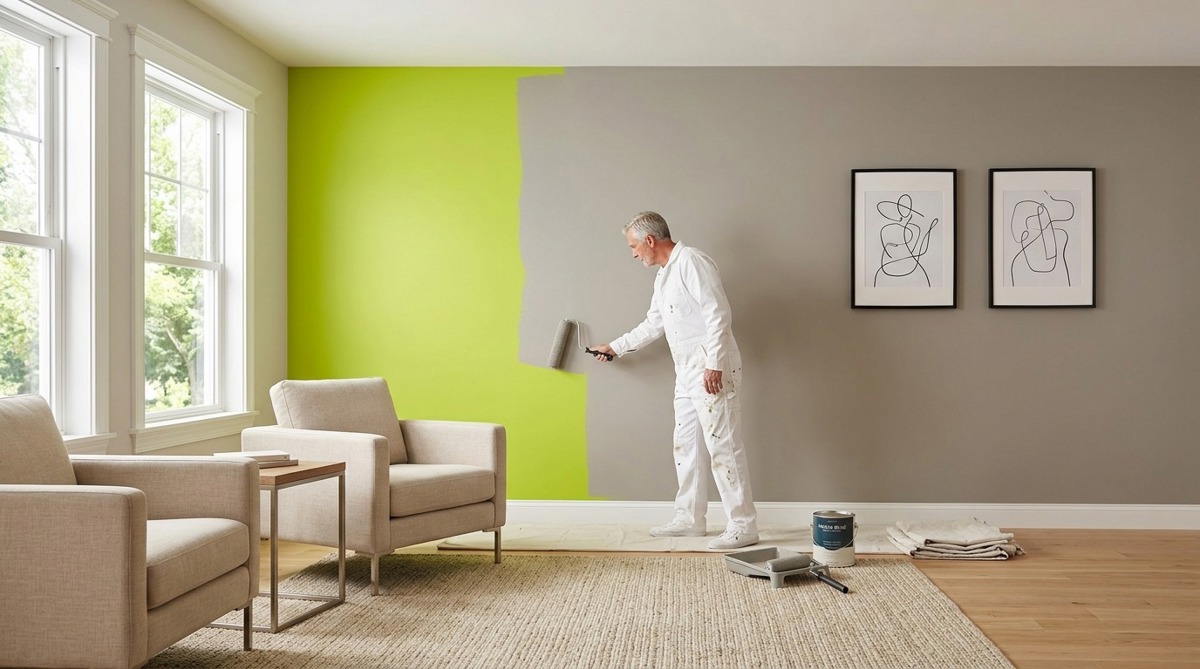
This applies to rented furniture too. Choosing neutral sofas and bed frames over trend-specific colors means the same rental pieces work across multiple rooms without looking out of place in photos.
5. Get the Scale Right Before You Commit
One of the most common and expensive staging mistakes is misjudging how furniture will look in a room. Oversized pieces shrink a space, while undersized furniture looks lost and cheap. Measuring rooms accurately before selecting furniture prevents a costly do-over once pieces arrive.
This is where furniture rental has a real advantage over buying. If a rented piece doesn't work once it's in place, swapping it is far simpler and cheaper than returning or reselling a purchased item. Confirm a rental provider's exchange policy before signing.
6. Don't Skip the Deep Clean
A professional-level cleaning, including baseboards, light switches, and window tracks, is one of the cheapest ways to make a home feel maintained and trustworthy. Buyers notice grime even when they can't articulate why a space feels off. A spotless home signals fewer hidden problems, which can mean fewer lowball offers.
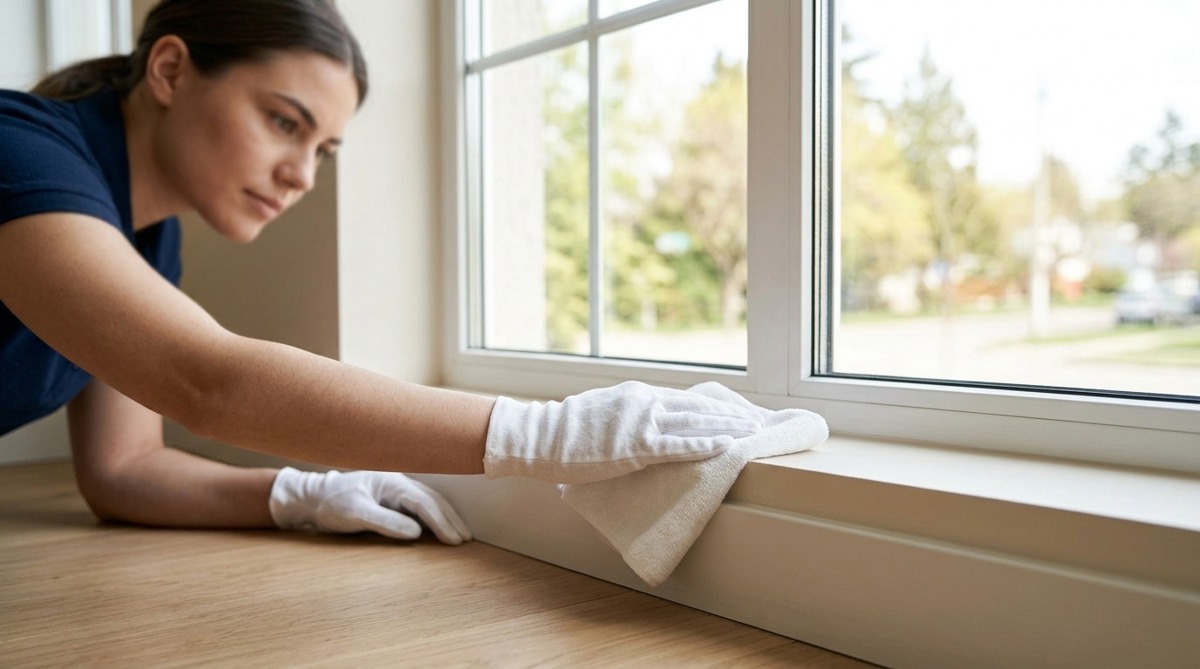
This tip costs little beyond supplies and time, making it one of the best home staging tips for attracting buyers without spending on decor at all. Pair it with fresh air and no lingering odors, and the impression improves dramatically.
7. Time Your Rental Term to Your Market
Furniture rental terms typically run one to eight months, and matching that window to your expected days on market avoids paying for furniture you no longer need. If your area's median time on market is six to eight weeks, a flexible short-term rental beats locking into a longer agreement. Ask about minimum terms upfront, since some providers require at least three months.
Getting this detail right is one of the most overlooked tips on staging a home, but it directly affects your final cost. A rental partner offering month-to-month flexibility protects you from paying for furniture sitting in an already-sold home.
The Bottom Line on Saving Money While Staging
The strongest insight across all seven tips is the same: renting furniture, rather than buying it, is consistently the smartest financial decision for staging a home. It avoids the upfront cost of furniture you'll only use briefly, eliminates storage and resale headaches, and lets you match the rental term to how long your home actually sits on the market.
Combine that with decluttering, neutral tones, and a focus on the highest-impact rooms, and you get a staged home that looks professionally finished without the professional price tag.
Ready to stage smarter? Rent the furniture you need for exactly as long as you need it, and skip the upfront cost of buying.
FAQs
What are the best home staging tips for selling on a tight budget?
Decluttering, deep cleaning, and renting furniture instead of buying are the three highest-impact, lowest-cost moves. They require little upfront spending and address the issues buyers notice first. Focusing on the living room, primary bedroom, and kitchen stretches a limited budget further.
Will home staging tips for attracting buyers actually increase my offers?
Yes. Staged homes have sold for 5% to 23% over listing price in recent industry research. The effect comes from helping buyers visualize themselves in the space rather than seeing someone else's belongings.
Is renting furniture for staging actually cheaper than buying?
In almost every case, yes, especially for a single listing or short-term need. Buying furniture for one property can cost $10,000 or more, while renting the same setup typically runs a few hundred dollars per room each month.
How long should I rent furniture for when staging a home?
Most rental providers offer terms from one to eight months, so match the term to your market's typical days on market. Some providers require a three-month minimum, so confirm this before booking.
Do I need to stage every room in my house?
No, staging the living room, primary bedroom, and kitchen covers the rooms buyers weigh most heavily, so a partial stage often delivers most of the benefit. Secondary spaces like a guest room or home office can be lightly decluttered instead of fully furnished.
Can I use some of my own furniture and rent the rest?
Yes, most rental providers can mix existing furniture with rented pieces to fill gaps and stay within budget. This works well when a home already has solid, neutral furniture in some rooms but needs help in others, like an empty living room or dining area.